 By
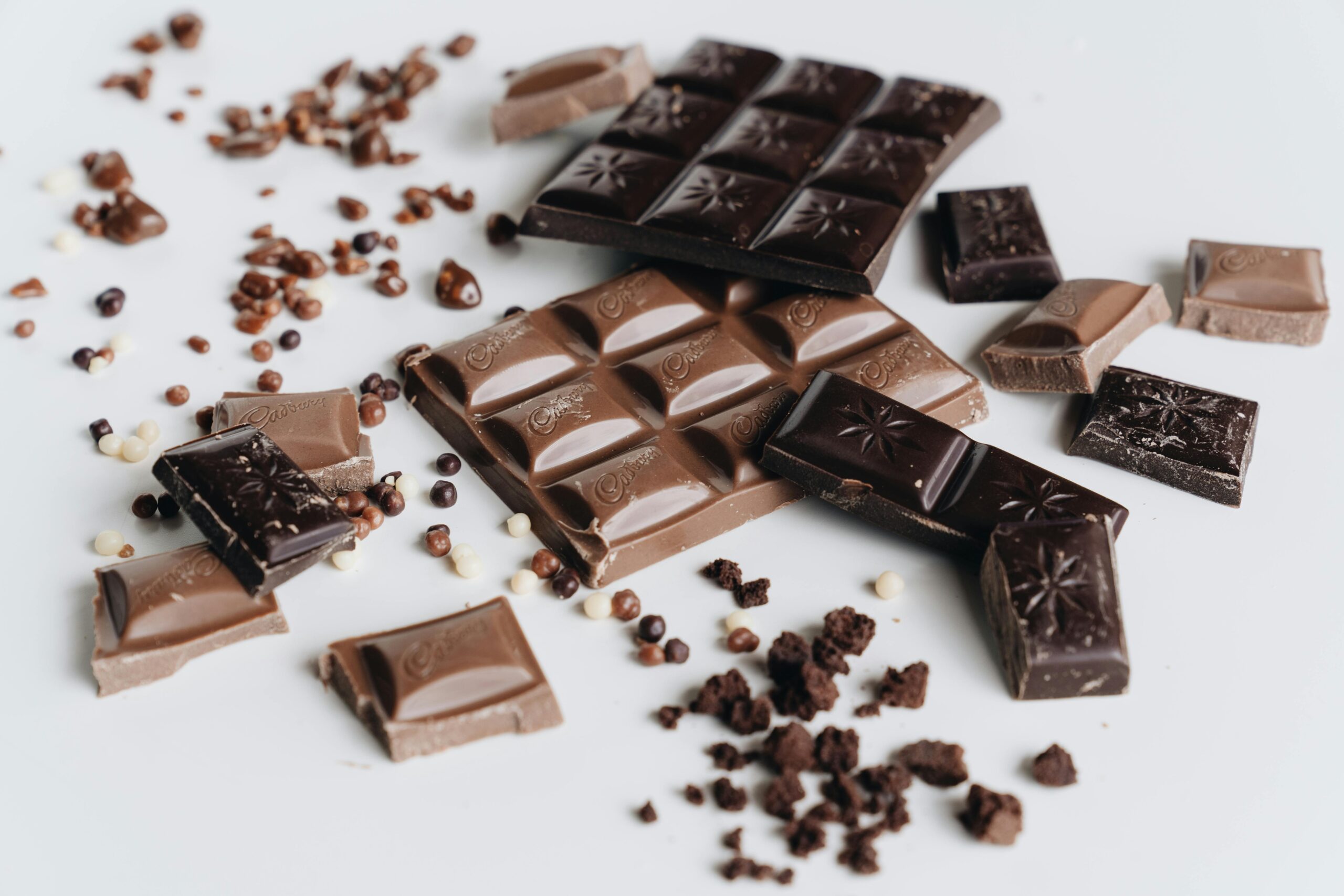
By Delighting the palate with gourmet artisan chocolates involves a nuanced blend of superior ingredients, intricate craftsmanship, and an unwavering passion for quality. With their unique flavors and textures, these chocolates stand apart, offering a sophisticated treat for consumers seeking an elevated confectionery experience.
Whether indulging in dark, milk, or white varieties, the intricate process from bean to bar ensures every piece is a work of art. In this article, we delve into the secrets behind crafting these exquisite treats and how to make the most of their distinct flavors and profiles.
Crafting Gourmet Artisan Chocolate: A Journey through Quality and Creativity
The creation of gourmet artisan chocolate is deeply rooted in a commitment to excellence, starting with the careful selection of cocoa beans. Producers prioritize beans with the right flavor profile, often opting for single-origin varieties known for their distinct characteristics.
Artisan chocolatiers closely monitor each step, from roasting and grinding to conching and tempering, ensuring that the chocolate’s texture and taste meet the highest standards. The process is both an art and a science, demanding precision and an expert touch.
For chocolate enthusiasts looking to dive into artisanal chocolate making, attending workshops or classes can offer insightful guidance. Aspiring chocolatiers will learn the intricacies of adjusting temperatures, mixing ingredients, and experimenting with flavors to create their bespoke concoctions. Gourmet artisan chocolate
Selecting the Finest Ingredients for a Premium Chocolate Experience
The caliber of ingredients defines the quality of artisan chocolate. Chocolatiers meticulously source not just the finest cocoa beans, but also the highest quality milk powders, sugar, and exotic spices or flavorings that will complement and enhance the chocolate’s natural taste profiles.
For instance, using organic, fair-trade cocoa beans can make a noticeable difference in the end product, showcasing a commitment to ethical sourcing and sustainability. This attention to detail extends to natural vanilla or pure cane sugar, which can elevate a chocolate’s flavor complexity.
When creating or purchasing gourmet chocolate, it’s essential to research and invest in ingredients that align with the desired flavor outcome. Labels and certifications can be helpful indicators of quality, ensuring that each element contributes to a premium chocolate experience. For added insight, a visit to local markets or specialized suppliers can be quite educational for selecting the perfect components.
The Art of Chocolate Making: Techniques That Define Artisanal Excellence
In the realm of artisanal chocolate, mastery of traditional techniques is paramount. The tempering process, for example, is critical in achieving the sheen and snap associated with high-quality chocolate. It requires precise temperature control to properly crystallize the cocoa butter in the chocolate.
Chocolatiers may also employ methods like stone grinding or long-conching times to develop deeper flavors and smoother textures. These artisanal techniques distinguish their products from mass-produced chocolates, offering a richer, more authentic taste.
Aspiring artisan chocolatiers should practice and refine these time-honored techniques regularly. Whether through pursuing internships with experienced artisans or accessing online chocolate-making courses, every opportunity to enhance skills can be invaluable in perfecting the craft of chocolate making.
Pairing and Savoring Artisan Chocolate for an Unforgettable Taste Adventure
Exploring the flavor nuances of artisan chocolate is an adventure in itself. Pairing chocolate with complementary food and drink can accentuate its intricate flavors. For example, a robust dark chocolate can be wonderfully paired with a full-bodied red wine or a strong espresso.
Understanding the flavor notes of different chocolate varieties can guide pairing choices. Artisan chocolates may have subtle hints of fruit, nuts, or spices that can be enhanced with specific cheeses, fruits, or even craft beers. The richness of milk chocolates, on the other hand, contrasts well with the tartness of fruit-forward wines and the crispness of white varietals.
For the ultimate tasting experience, it’s recommended to savor chocolate in small bites, letting it melt slowly to fully appreciate its complexity. Hosting a chocolate tasting party can be an enjoyable way to share and explore different pairings, offering a memorable and educational sensory experience for all involved.
Ultimately, gourmet artisan chocolate is a testament to the harmonious marriage of tradition, craftsmanship, and innovation. The journey through crafting these exquisite treats and diving into a world of unparalleled flavors is both an indulgence and an art. To truly revel in the experience, take time to appreciate the dedication behind every bite, explore diverse pairings, and always savor the moments of pure chocolate bliss.